




An indoor wall fountain is much more than a decoration; it is a transformative, stress reducing investment that instantly converts a static space into a dynamic, tranquil sanctuary for your home or office.
The unique magic of this water feature lies in its ability to engage all the senses, instantly melting away the stress of the day with its soft, rhythmic sound. Imagine walking into a sleek office lobby or your own living room where a stunning sheet of water flows silently down polished slate. It's a piece of living art that brings the serenity of nature indoors.
Whether you're a homeowner looking to create a personal sanctuary or a business owner wanting to make a powerful statement, this guide is for you. We’ve covered everything you need to know about understanding, selecting, and maintaining an indoor wall fountain, from its surprising psychological benefits to the practical steps of installation.
Table of Contents
- What is the true value of an Indoor Wall Fountain?
- Finding the Perfect Indoor Fountain for your Home
- By Style & Flow: The Sound and Movement of Water
- Sizing, Placement, and Installation of an Indoor Wall Waterfall
- The Installation Process: DIY or Hire a Pro?
- Indoor Fountain Care 101: Simple Steps for Lasting Beauty
- Troubleshooting Common Issues with Indoor Fountains
- Indoor Fountains are a Worthwhile Investment
- FAQs
What is the true value of an Indoor Wall Fountain?
You might think an indoor wall fountain is just a decorative piece, but its true value goes far beyond what you can see. It's a smart addition to any space, offering benefits that can improve your well-being and elevate your environment.
The Aesthetics an Indoor Wall Water Fountain Adds to any Space
 First, let's talk about looks. A well placed wall mounted water feature acts as a stunning centerpiece; a living, moving work of art that instantly catches the eye. The constant flow of water and light adds a dynamic element that makes a room feel more alive and luxurious.
Whether your style is minimalist, modern, or bohemian, there’s a decorative indoor fountain that fits perfectly. A sleek glass fountain can add a touch of modern sophistication, while a slate or stone model brings an earthy, natural feel to a space. It’s a versatile piece of decor that can make an entire room’s design feel more intentional and complete.
The Calming Effect of Indoor Waterfalls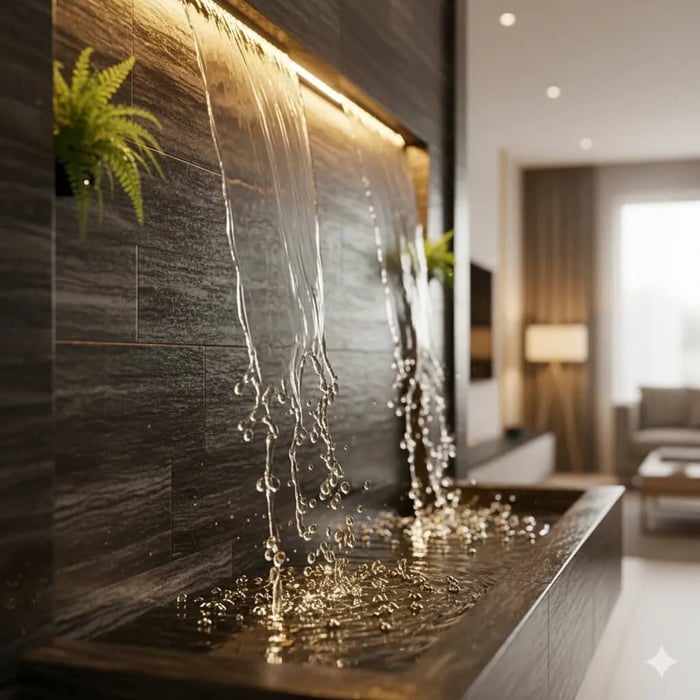
Beyond its visual appeal, a decorative wall with waterfall can also change how a room feels. The gentle sound of trickling water is a natural form of "white noise." This isn't just a calming sound; it's a powerful tool that can mask distracting noises from city traffic, loud neighbours, or a busy office.
By creating a peaceful bubble of sound, a wall water feature helps promote relaxation, reduce stress, and improve your focus. This makes them perfect for home offices, bedrooms, or therapy rooms; any space where you want to create a calm and quiet atmosphere.
The Health Benefits of an Indoor Wall Fountain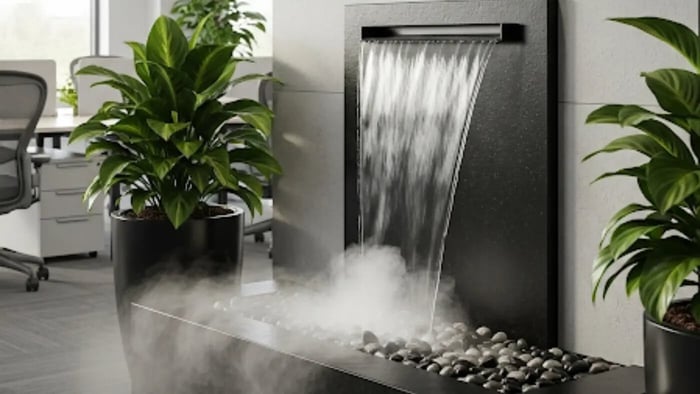
Finally, your indoor wall fountain can quietly improve the air you breathe. The process of moving water naturally adds moisture to the air, which is a huge benefit in dry, climate-controlled environments. Proper humidity can help with dry skin and irritated sinuses.
Additionally, the flowing water can help trap dust and other airborne particles, preventing them from floating around your room. This leads to a fresher, cleaner environment and a more comfortable space for everyone.
Before diving into materials and styles, if you're still weighing the advantages against outdoor water features, be sure to read our detailed comparison: The Serenity Showdown: Indoor Wall Fountain vs. Outdoor Fountains.
Finding the Perfect Indoor Fountain for your Home
Choosing the right indoor wall fountain can seem overwhelming, but it's all about finding the perfect match for your space and style. To help you, we’ve broken down the most popular types and materials.
By Material: The Look and Feel of Your Indoor Fountain
The material of your wall fountain determines its overall look and the kind of vibe it gives off.
Slate and Natural Stone Indoor Wall Fountain
These are the most classic options. A fountain made from slate or natural stone has an earthy, timeless appeal. Each piece is unique, with one-of-a-kind patterns and textures. Keep in mind that these materials are durable but also quite heavy, which might require professional installation.
Adagio water features have an extensive collection of indoor water fountains that are made of slate and natural stone.
Adagio Wall Mounted Water Feature Whispering Creek 46x22x5

$1,359.00
Transform Your Space with the Adagio Whispering Creek Wall Fountain Imagine stepping into your home and instantly feeling a wave of calm wash over you. That's the everyday experience you'll unlock with the Adagio Wall Mounted Water Feature Whispering Creek.… read more
Adagio Wall Mounted Water Feature Inspiration Falls 69x30x6

$2,849.00
Transform your indoor space with the Adagio Inspiration Falls; a captivating wall-mounted water feature designed to bring tranquillity and modern elegance to any room. Experience the soothing sounds of water gracefully cascading down a real marble surface, beautifully illuminated from… read more
Adagio Wall Mounted Water Feature Olympus Falls 54x75x6

$4,159.00
Elevate your indoor environment with the Adagio Olympus Falls, a breathtaking wall-mounted water feature crafted to bring a profound sense of peace and natural elegance into your home or office. This magnificent piece is ideal for anyone seeking to create… read more
Glass Indoor Wall Fountain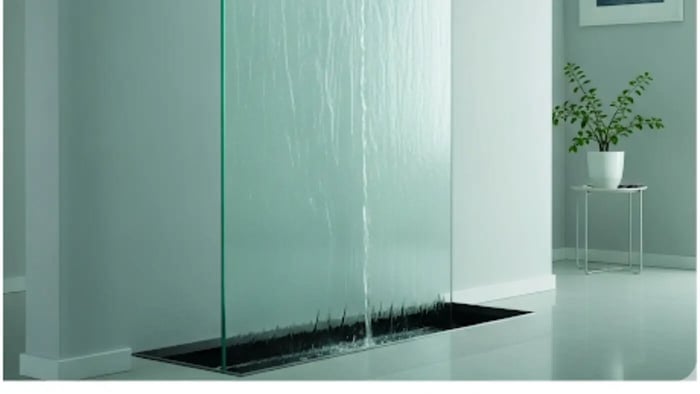
For a sleek, modern look, you can't go wrong with a glass fountain. The smooth surface of a glass wall water feature creates a clean aesthetic. Light reflects beautifully off the glass, and it can even make a small space feel larger and more open.
Stainless Steel/Metal Wall Fountain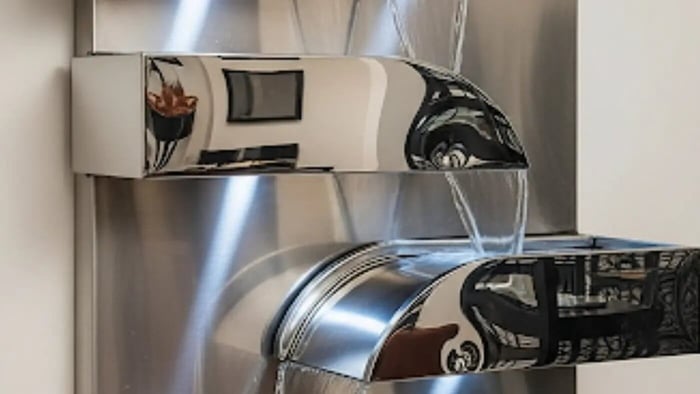
If you want a contemporary or industrial vibe, stainless steel is a great choice. It's incredibly resilient and low-maintenance. The reflective surface adds a dynamic element, making the fountain feel like a futuristic piece of art.
Copper Indoor Wall Fountain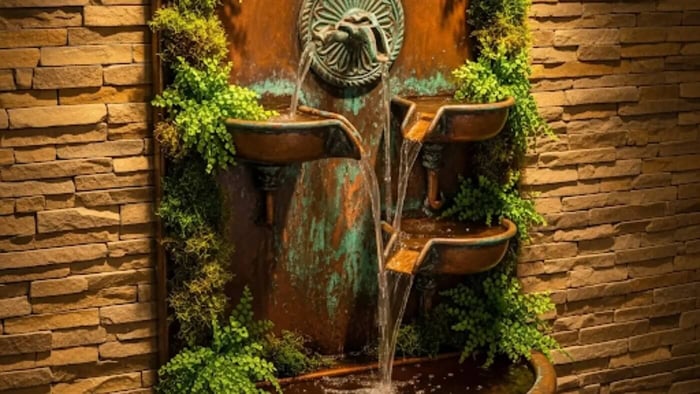
Copper fountains have a warm, rustic feel. What makes them so special is the natural patina they develop over time. This changing color gives the fountain a living, evolving character that becomes a unique part of your home.
By Style & Flow: The Sound and Movement of Water
The style of your fountain determines how the water moves and what it sounds like.
Sheeting Fountains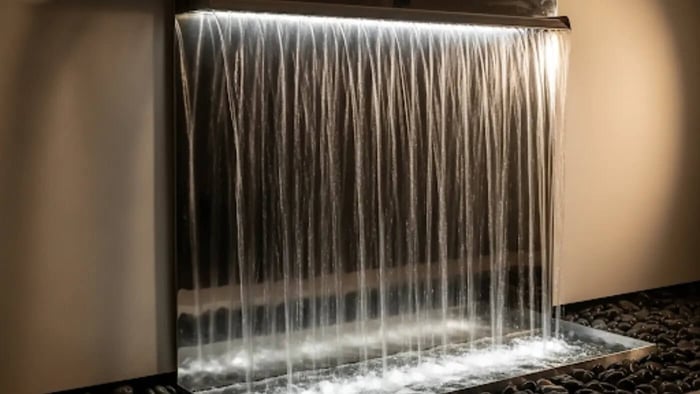
These are designed for a smooth, mesmerizing effect. Water flows in a thin, continuous curtain over a flat surface, like glass or polished metal. The sound is a gentle trickle, very soft and subtle.
Cascading Fountains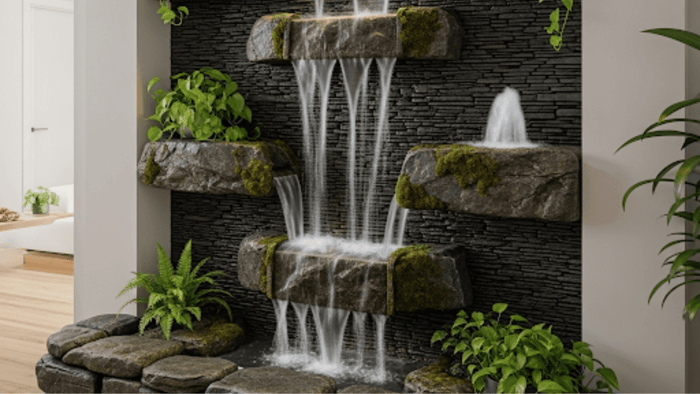
If you love the sound of a natural waterfall, a cascading fountain is for you. The water flows over a textured surface, often a series of tiered stones. This creates a more pronounced, relaxing sound.
Bubble Walls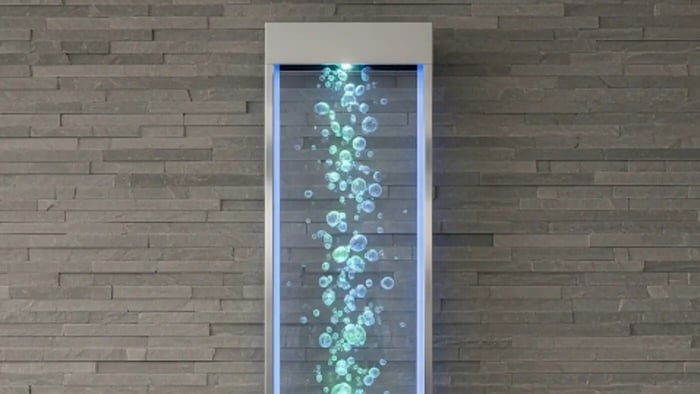
This is a unique and modern style. Instead of a flowing sheet, bubbles rise through a clear panel. This creates a dynamic, effervescent effect that's more visual than auditory, making it a great option for quiet spaces.
Lighting and Customization for Indoor Wall Waterfalls
Don't forget about the finishing touches. Lighting plays a critical role in a fountain's appeal, especially an indoor wall fountain. Integrated LED lights can create a stunning visual display and highlight the movement of the water. Many models let you change the color of the lights to match your mood or the season, giving you total control over the atmosphere.
Sizing, Placement, and Installation of an Indoor Wall Waterfall
Once you've chosen your favourite style and material, it's time to think about the practical side of adding a water feature to your space. Getting the size and placement right is key to making sure your new indoor wall waterfall looks and functions perfectly.
Sizing and Scale: Finding the Right Fit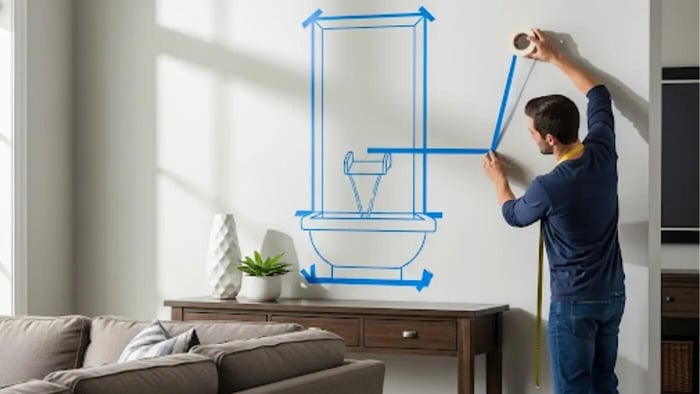
The most important rule is to make sure your wall water feature complements the room, instead of overpowering it. A great way to visualize this is to use painter's tape to mark out the dimensions of the fountain on your wall.
This simple step helps you see how the fountain will look and ensures it's in proportion with your furniture and other decor. You want your fountain to feel like a natural part of the wall, not a giant rectangle stuck on it.
Optimal Placement for Indoor Fountains
Placement is everything. For homes, you should choose a spot with good visibility from a sofa, dining table, or bed; somewhere you'll spend a lot of time. 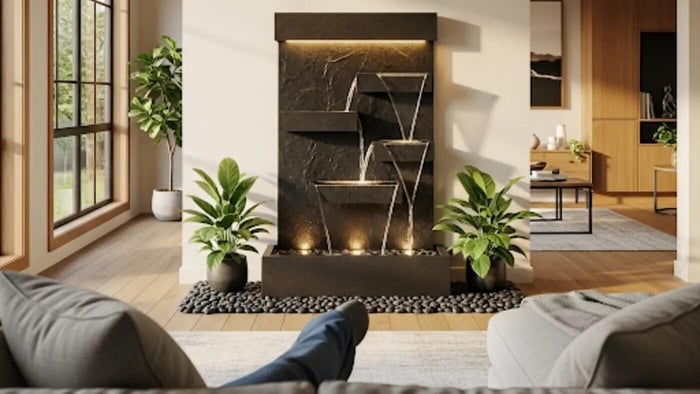
In an office, a high-traffic zone or a main lobby is a great choice to make a strong impression.

You also need to think about a few practical things:
- Power: Your fountain will need to be near a power outlet. While extension cords can work, it's best to have a hidden outlet nearby to keep the look clean.
- A Level Wall: Make sure the wall where you want to place the indoor wall fountain is level and structurally sound enough to support its weight.
The Installation Process: DIY or Hire a Pro?
When it comes to installation, you have two options.
For smaller, lighter fountains, a DIY approach is often a breeze. They usually come with a simple bracket that you can screw into the wall, and the whole process can be done in an afternoon.
However, for larger, heavier wall fountains, especially those made of slate or natural stone; hiring a professional is a must. These fountains are heavy and need to be securely mounted to the wall to prevent accidents. A professional will ensure the installation is safe and sound, giving you peace of mind and allowing you to simply enjoy your new piece of art.
Indoor Fountain Care 101: Simple Steps for Lasting Beauty
You've picked out the perfect indoor wall fountain for your home or office, and now you want to know how to keep it looking great. The good news is that indoor fountains are actually pretty low-maintenance!
A little routine care goes a long way to ensure your fountain continues to provide that soothing sound and beautiful visual effect for years to come.
Routine Maintenance for Indoor Fountains
Your daily or weekly care routine is super simple. The main thing is to keep an eye on the water level. Fountains lose water over time through evaporation, and you want to make sure the pump is always fully submerged. If the water level gets too low, the pump can run dry and burn out. Just top it off with distilled or filtered water as needed. Using distilled water is a great idea because it has fewer minerals, which helps prevent mineral buildup and white scale on the fountain's surface.
Seasonal and Deep Cleaning Indoor Water Fountains
Even with regular top-offs, a more thorough cleaning is a good idea every few months, especially if you notice algae or mineral deposits. For this, you can use a fountain cleaner or a simple mixture of water and vinegar.
Here's a simple, step-by-step guide for a deeper clean:
- Unplug and turn off the fountain. Safety first!
- Drain all the water from the basin.
- Remove any decorative items like stones or pebbles and clean them separately.
- Clean the fountain itself. Use a soft cloth or a non-abrasive sponge to wipe down the basin and panels. A toothbrush can be helpful for getting into those hard-to-reach spots.
- Don't forget the pump! The pump is the heart of your fountain. Disconnect it and give it a good clean with a small brush to remove any gunk.
- Rinse everything thoroughly with clean water.
- Reassemble the fountain, and then refill it with fresh, clean water.
This process will keep your fountain looking and sounding its best!
Troubleshooting Common Issues with Indoor Fountains
While indoor fountains are generally reliable, you might run into a few minor hiccups. Here are some quick solutions to common problems:
Pump Noise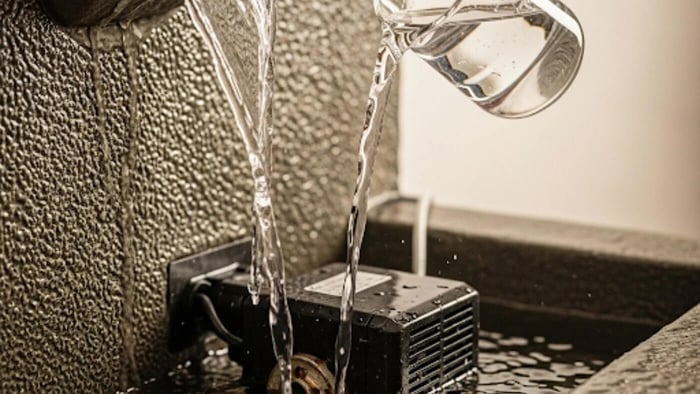
If you hear a grinding or rattling sound, the pump might not be fully submerged. This can happen if the water level is too low. Simply add more water to make sure it's completely covered. Another possibility is that the pump is vibrating against the basin. Try repositioning it or placing a piece of foam or a rubber mat underneath to dampen the vibration.
Leaks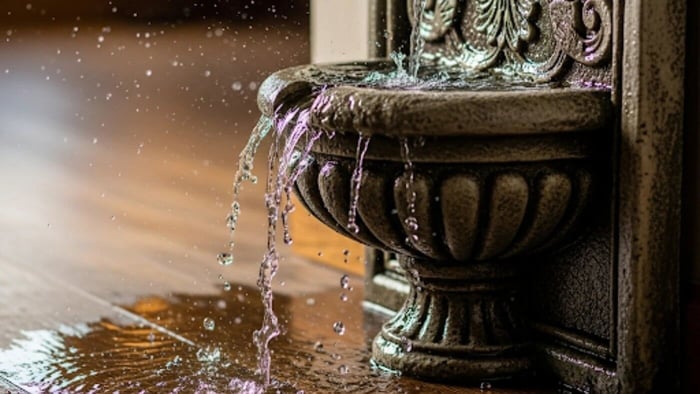
If your fountain seems to be losing water faster than it should, check for a couple of things. The most common cause is usually splashing, not a leak. You may need to adjust the water flow using the dial on the pump or reposition the nozzle to reduce splashing. If you do find a crack, a waterproof sealant can often provide a quick and easy fix.
Uneven water flow
This is often a sign of a clog. A small piece of debris or a mineral buildup can block the water flow. The best fix is to perform a deep clean and make sure the pump and all the tubing are free of obstructions.
Following these simple tips will ensure your indoor wall fountain remains a beautiful and peaceful addition to your space.
Indoor Fountains are a Worthwhile Investment
You've learned all about the ins and outs of indoor wall fountains, from the variety of styles available to the simple maintenance required. You know how they can create a serene, spa-like atmosphere in your home, and how they can reduce stress and boost productivity in your office. The truth is, an indoor wall fountain is so much more than just a decorative piece. It's a transformative element that adds a touch of natural beauty and tranquility to any space.
Beyond the aesthetic appeal, it’s an investment in your personal well-being. The gentle sound of flowing water is scientifically proven to reduce stress and improve focus. Think of it as a small, daily escape; a moment of peace in your busy life.
So, are you ready to bring this beautiful change into your life? Whether you're looking for a peaceful retreat in your home or a calming influence in your office, an indoor wall fountain is a worthwhile investment in both style and well-being.
FAQs
Is it good to have a water fountain inside the house?
Yes, it's a great idea to have a water fountain inside the house. The benefits go beyond simple decoration, positively impacting your well-being and home environment.
The Benefits of an Indoor Water Fountain
A small indoor water fountain can significantly enhance your living space. The soothing sound of moving water acts as a natural white noise, which can help to mask distracting sounds from neighbours or street traffic. This creates a more peaceful atmosphere, making it easier to relax, focus, and meditate. This tranquil effect is a major reason why fountains are often used in spas and wellness centers.
Fountains also contribute to better air quality by naturally adding a small amount of humidity to the air as the water evaporates. This can be especially beneficial during winter months when indoor heating systems can make the air dry, leading to issues like dry skin, irritated sinuses, and static electricity. The added moisture can also help settle dust particles.
Furthermore, a water fountain serves as a natural and aesthetically pleasing focal point in any room. In Feng Shui, the practice of arranging living spaces to create balance with the natural world, moving water is considered a symbol of wealth, prosperity, and positive energy. Incorporating this element can help create a sense of harmony and flow in your home.
Are indoor water fountains worth it?
Yes, an indoor water fountain is absolutely worth it. The benefits they provide for your well-being and home environment far outweigh the initial cost.
Key Reasons an Indoor Water Fountain is Worth the Investment:
- Natural Relaxation: The soft, trickling sound of water is a natural form of white noise that helps reduce stress and create a tranquil atmosphere. It can block out distracting sounds from outside, making your home a more peaceful place to relax or focus.
- Healthier Air: Fountains naturally humidify the air as the water evaporates. This is particularly valuable in dry climates or during winter months when indoor heating can cause dry skin, irritated sinuses, and static electricity. Unlike humidifiers, which can harbor bacteria if not cleaned properly, a fountain’s constant water flow keeps the water fresh, providing a cleaner way to add moisture to the air.
- Low Maintenance: They are easy to maintain. You just need to keep the water reservoir filled. Occasional cleaning is all that's needed to keep them in good working order, making them a simple and effective home improvement.
- Aesthetic Appeal: Beyond their practical benefits, a fountain serves as a beautiful and unique decorative piece. They come in countless styles to match any decor, adding a touch of nature and elegance to your living space.
Should I leave my indoor water fountain on all the time?
Yes, you should leave your indoor water fountain on all the time. You should only turn your fountain off when you are cleaning it or if you are going to be away from home for a long time.
Key Reasons to Keep It Running:
- Protects the Pump: The pump is built to run continuously. Turning it on and off repeatedly causes unnecessary stress on the motor, which can lead to it wearing out faster.
- Keeps Water Clean: The constant movement of water prevents it from becoming stagnant. This stops bacteria and algae from growing, which helps to avoid bad smells and slimy buildup.
- Reduces Mineral Buildup: Keeping the fountain on prevents water from drying on the surfaces, which is what causes unsightly white mineral deposits to form.
Do water fountains use a lot of electricity?
No, they don't. Indoor water fountains are very energy efficient and cost very little to run.
The pump, which is the only part that uses electricity, is small and designed for continuous use without consuming much power. The cost of running an indoor water fountain is typically just a few dollars per year.
To save even more, you can choose a fountain with a high-efficiency pump, but for most models, the electricity cost is not a concern.
How long do indoor fountains last?
A typical indoor water fountain can last for a long time, but the most important part is the the pump. The pump has a limited lifespan. The fountain itself can last for many years, but the pump will need to be replaced every few years to keep it running smoothly.
With proper care, a good quality pump will usually last between 3 to 5 years. Some higher-end pumps can last even longer.
The lifespan of your fountain is most affected by how you maintain the pump. Key factors include:
- Running it constantly: Pumps are designed to run all the time. Turning them on and off frequently causes stress that can shorten their life.
- Keeping the water level full: The pump needs to be fully submerged in water to stay cool. If the water level gets too low, the pump can overheat and fail quickly.
- Regular cleaning: Cleaning the pump prevents debris and mineral buildup, which can cause clogs and make the motor work harder.