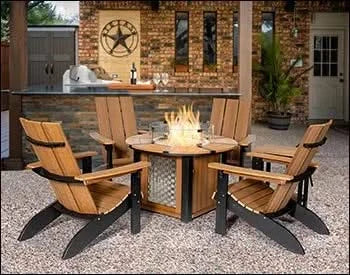

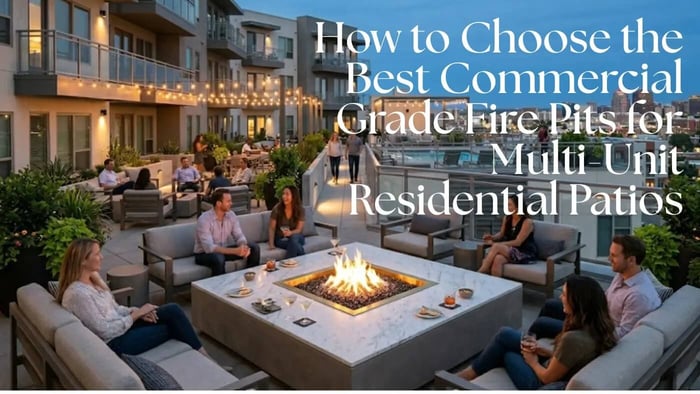

Selecting high performance, commercial grade outdoor fire pits is the most effective way for developers to boost net operating income while neutralizing liability. By prioritizing certified ignition systems and industrial strength materials, you turn a potential safety risk into a high yield amenity. This strategy not only justifies rent premiums but secures long term tenant retention.
At Lux Yard and Homes, we’ve consulted on numerous Class A developments. We’ve seen first hand that the difference between a successful rooftop lounge and a costly insurance headache often comes down to one thing: technical specifications.
The New Standard in Multi-Family Living
We are currently in the middle of an "Amenity Arms Race." Fire features have shifted from luxury add ons to non-negotiable requirements for competitive apartment complexes. This creates a specific "Developer’s Dilemma":
The Demand: Tenants want sophisticated, "Instagrammable" social hubs.
The Constraint: Developers must meet uncompromising fire codes and safety mandates.
In high traffic common areas, "residential-grade" products simply won't cut it. These spaces require heavy duty infrastructure designed for 24/7 use and constant environmental exposure.
A Technical Framework for Success
This guide provides developers and contractors with the data needed to make informed procurement decisions. We will break down:
Safety Certifications: Navigating ANSI and UL listings to protect your investment.
Material Science: Why GFRC and Marble are essential for durability.
Energy Infrastructure: Deciding between the low overhead of natural gas and the flexibility of propane.
Table of Contents
What safety certifications are required for commercial fire pits in multi-family housing?
For a developer or general contractor, the beauty of a fire feature is secondary to its compliance profile. In the multi unit residential sector, an uncertified unit is not an amenity but a significant legal vulnerability.
The Gold Standard: ANSI Z21.97 and CSA 2.41
When reviewing the specification sheets for our fire pits, the most critical designation you will find is the ANSI Z21.97 / CSA 2.41 certification. This is the non negotiable industry standard for outdoor decorative gas appliances. This certification ensures the unit has undergone rigorous testing for wind resistance, rain penetration, and structural integrity.
The Protective Shield of UL Listing
While ANSI defines the performance standard, a UL Listing represents the verification of safety. Underwriters Laboratories testing is a comprehensive audit of the electrical and gas components within the burner system. For developers, a UL Listed fire feature acts as a shield against catastrophic liability.
Selecting the Energy Infrastructure: Natural Gas vs. Liquid Propane
Deciding on the energy source for your fire pits is a foundational choice that dictates both the daily overhead and the long term logistical health of your property.
Natural Gas Fire Pits
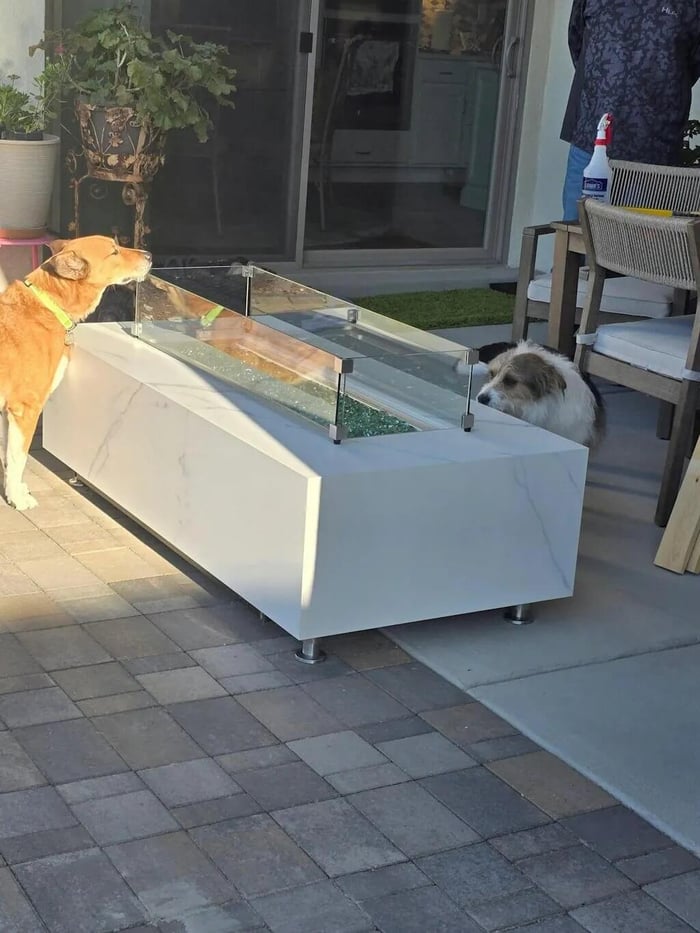
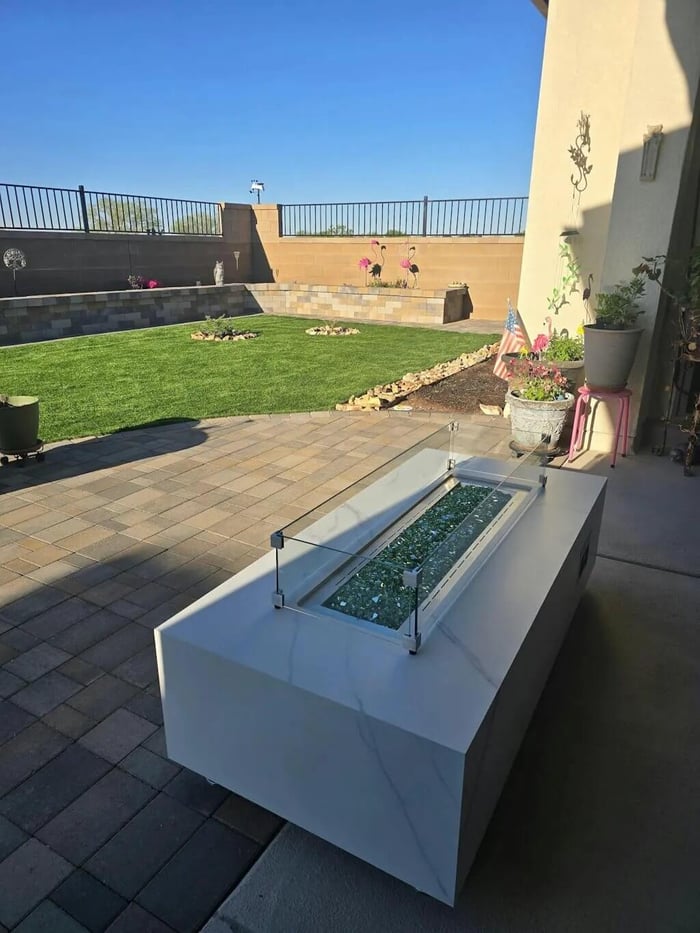
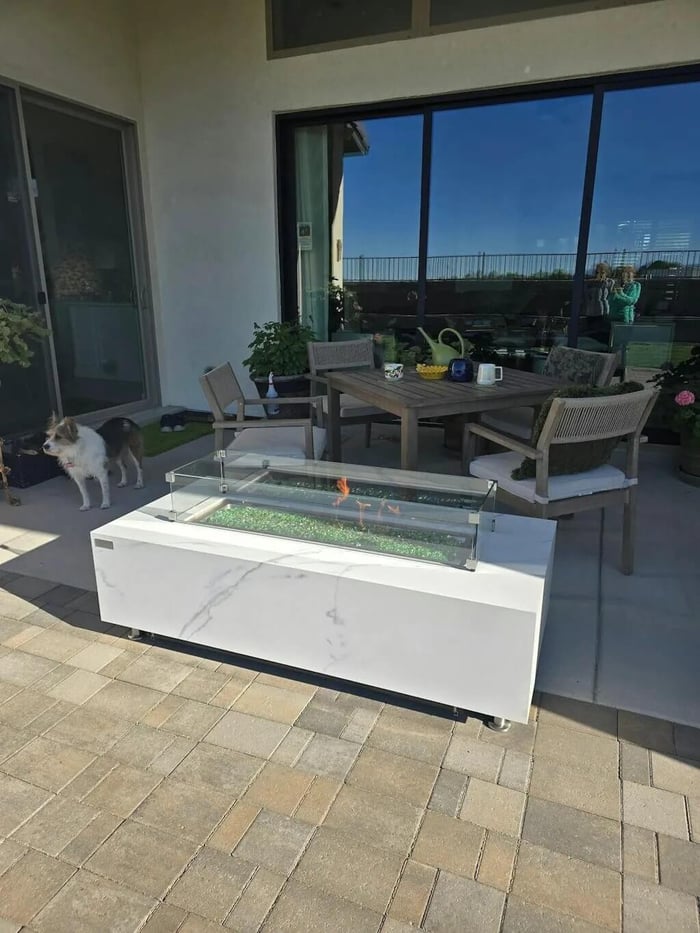
Natural gas is almost universally the premier choice for new developments. By integrating gas lines directly into the deck or courtyard floor plan, you create a seamless environment where the warmth is always available at the touch of a button. It eliminates the labour intensive "Tank Management" cycle, saving your property management team hundreds of hours annually.
Natural Gas Fire Pit installation at a new development in Albuquerque New Mexico
 |  |  |
Liquid Propane Fire Pits
The Retro fit Play Liquid propane remains a vital tool for contractors working on existing properties where extending a gas line is cost prohibitive. Propane offers unparalleled flexibility for these retrofit scenarios, allowing you to install high performance fire pits in locations that would otherwise remain cold and underutilized.
Shop Outdoor Propane Fire Pits
Which materials offer the best long term durability for high traffic fire pits?
The structural integrity of fire pits determines whether the amenity remains a luxury asset or becomes a maintenance liability.
We prioritize GFRC and premium Marble for the exterior of our fire pits because these materials offer the density and thermal resistance required for 24/7 common area operation. GFRC is an engineered stone that outperforms standard concrete because it is infused with high strength glass fibers.
This allows the material to expand and contract during freeze thaw cycles without cracking. Marble offers an even higher tier of architectural prestige, naturally resisting UV damage while maintaining structural density over decades.
Shop Elementi Fire Pits for Best GFRC and Marble Structures
|
Elementi Plus BIANCO Marble Porcelain Fire Table 
$3,979.00 39" Marble Porcelain Square Fire Pit Table with matching tank cover, perfect for homeowners who admire style and function. Transform your outdoor living with the Elementi Bianco Porcelain Fire Table. Its durable marble top and powerful burner provide instant warmth… read more |
Elementi Plus Andes Fire Table 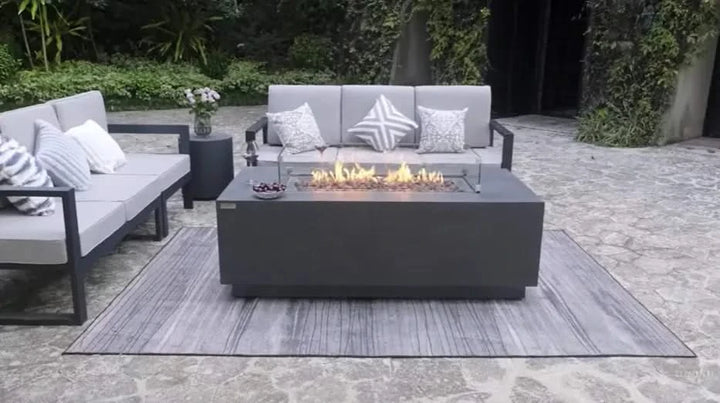
$2,899.00 Style Meets Function: an elegant propane fire pit table with hidden tank storage storage Tired of the cluttered look of traditional fire pit tables? Looking for a sleek and modern option that blends seamlessly with your outdoor living space? Imagine a… read more |
Burner Technology: Brass vs. Stainless Steel
While the exterior provides the aesthetic, the internal burner is the engine of the fire feature. We strongly recommend the use of brass burners for lifetime longevity in multi unit projects.
To ensure our clients have access to the most durable components on the market, we feature an extensive Warming Trends fire pit collection specifically for their industry leading brass technology.
Unlike standard options, brass is naturally corrosion resistant and will not rust even when exposed to heavy moisture or salt air. By investing in these premium internal components, you ensure that your fire pits provide a consistent and powerful flame pattern year after year without the need for frequent part replacements.
Strategic Design for Tenant Retention and Social Flow
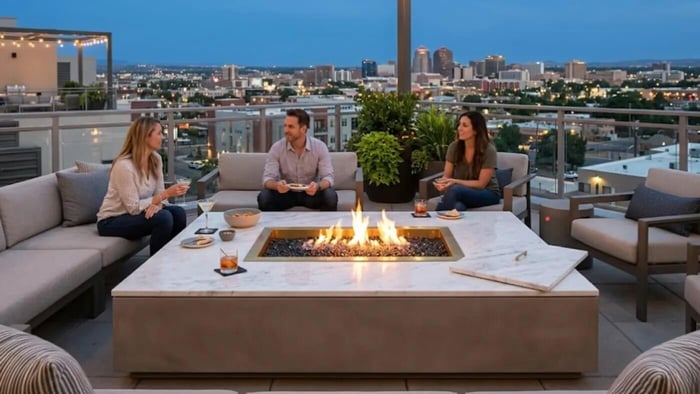
Maximizing utility in urban developments where space is at a premium, fire pit tables are the ultimate strategic solution. These units feature wide ledges and optional covers that allow the piece to function as a full cocktail or dining table when the flame is not in use. By selecting fire pit tables, developers provide residents with a dual purpose furniture piece that enhances the value of their private outdoor space.
Case Study: ROI and Marketability
The presence of designer fire pits and high-end fire pit tables immediately elevates the perceived value of a property. Data shows that units with access to high quality outdoor amenities can justify higher rent premiums. Residents view these spaces as an extension of their living room, making them more likely to renew their leases.
Step-by-Step Selection Checklist for Contractors
Review Local Fire Codes: Ensure clearances from combustible materials.
Consult Insurance Providers: Verify electronic ignition and flame sensing mandates.
Audit Gas Line Capacity: Confirm the building meter can handle the total BTU load.
Finalize Finish and Style: Coordinate Marble or GFRC finishes with the architectural brand.
Investing in Permanence
In the competitive world of multi family development, the cheapest option is rarely the safest or most profitable choice. Selecting high performance, certified fire pits is an investment in the safety of your residents and the longevity of your property.
Ready to specify fire features for your next project?
Request a Commercial Quote & Specification Package
To explore our full range of GFRC and Marble options, browse our Commercial Fire Pit Collection today.
FAQs
What are the benefits of having a fire pit?
The primary benefit of a professional-grade fire pit is the creation of a permanent social anchor that extends the usability of your outdoor square footage. While basic models provide light, commercial-grade units—like those featuring GFRC or Marble—provide a reliable heat source that allows you to enjoy your patio even as temperatures drop.
Top Advantages for Homeowners and Developers
| Benefit Category | Impact on Outdoor Living |
| Amenity Extension | Seasonal flexibility, allowing for use in Q1 and Q4. |
| Social Dynamics | Creates a natural gathering point that encourages "dwell time." |
| Property ROI | Increases perceived value and marketability for resale or leasing. |
| Ambiance | Provides multi-sensory appeal through light, warmth, and sound. |
How do you choose the right location for a fire pit?
The most critical factor in choosing a location is ensuring a safe clearance from combustible materials and overhead structures. For a professional installation, you must coordinate the technical requirements of the gas lines with the social goals of the seating area.
Key Placement Considerations
| Category | Requirement |
| Safety Clearances | Maintain a minimum of ten feet from walls, trees, and overhangs. |
| Surface Stability | Must be placed on a non-combustible surface like stone, pavers, or concrete. |
| Wind Patterns | Identify prevailing winds to prevent smoke or heat from blowing toward doors. |
| Traffic Flow | Ensure a five foot "buffer zone" around the unit for safe movement. |
Strategic Location Factors
Safety and Local Codes: Before finalizing a spot, review your local fire ordinances. Most jurisdictions require fire pits to be placed at least ten feet away from any structures or combustible materials like wooden fences or low hanging branches. For rooftop or balcony installations, ensuring the surface is rated for the weight of a marble or GFRC unit is essential.
Proximity to Gas Infrastructure: For natural gas installations, proximity to the primary gas meter will dictate your trenching and plumbing costs. Choosing a location that aligns with existing utility runs can significantly reduce the initial build price while providing a permanent, hard lined fuel source.
Creating "Social Zones": Consider how the location impacts the "social energy" of the property. Placing fire pits in a central courtyard encourages large communal gatherings, while tucked away corners are better suited for intimate private nooks. If you are using fire pit tables, place them where residents are most likely to enjoy sunset cocktails or morning coffee.
Protection from the Elements: While fire features provide warmth, placing them in areas with extreme wind exposure can lead to inconsistent flame patterns and heat loss. Utilize natural windbreaks like building walls or architectural planters to create a "microclimate" that keeps the heat centered around the seating area.
Specialist Insight: Always visualize the "circulation path" around the unit. Residents should be able to move freely behind the seating without getting too close to the flame, ensuring the space remains comfortable even when at full capacity.
What are the safety precautions for using a fire pit?
The most effective safety precaution is the installation of a certified system that includes automatic safeguards. By combining high quality hardware with resident education and regular maintenance, property managers can ensure a secure and enjoyable outdoor experience.
For properties using liquid propane, always store spare cylinders in a well ventilated, code compliant enclosure far from the actual fire feature.Specialist Insight: The safest fire feature is one that is integrated into a building management system. By using a wall timer, you can ensure that the fire pits automatically power down at a designated hour, eliminating the risk of a unit being left active overnight.